
Bali, Indonesia – Fall 2025
Bali — One Month, Two Moods Click on Images to Enlarge
Overall Impressions
Our first trip to Bali was in 2016, part of an around‑the‑world journey that began in the fall of that year and ended with a return to Hawaii in the spring of 2017. At that time, we stayed entirely in Ubud and found it to be one of the most charming, engaging, and memorable places of the entire trip. We loved it enough that nearly ten years later, when planning this extended Southeast Asia journey, returning to Bali—and to Ubud specifically—felt like an easy decision.
We even booked the very same Airbnb we had stayed in 2016.
That detail alone tells you how fond our memories were.
This time, however, Bali gave us a different lesson. Not a bad one—just a more honest one. Over the course of a month, split between Ubud and Seminyak, we experienced two very different versions of Bali and came away reminded of a simple truth: places change, and so do we.
Where We Stayed—Ubud (First Three Weeks) Click on Images to Enlarge
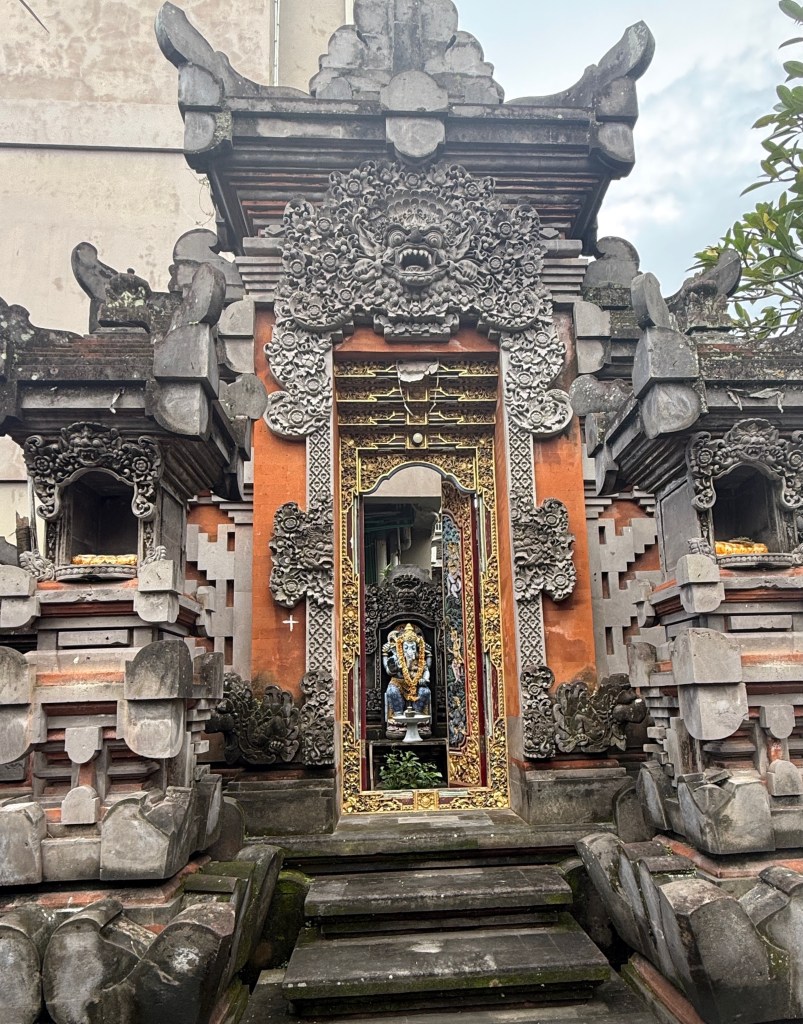
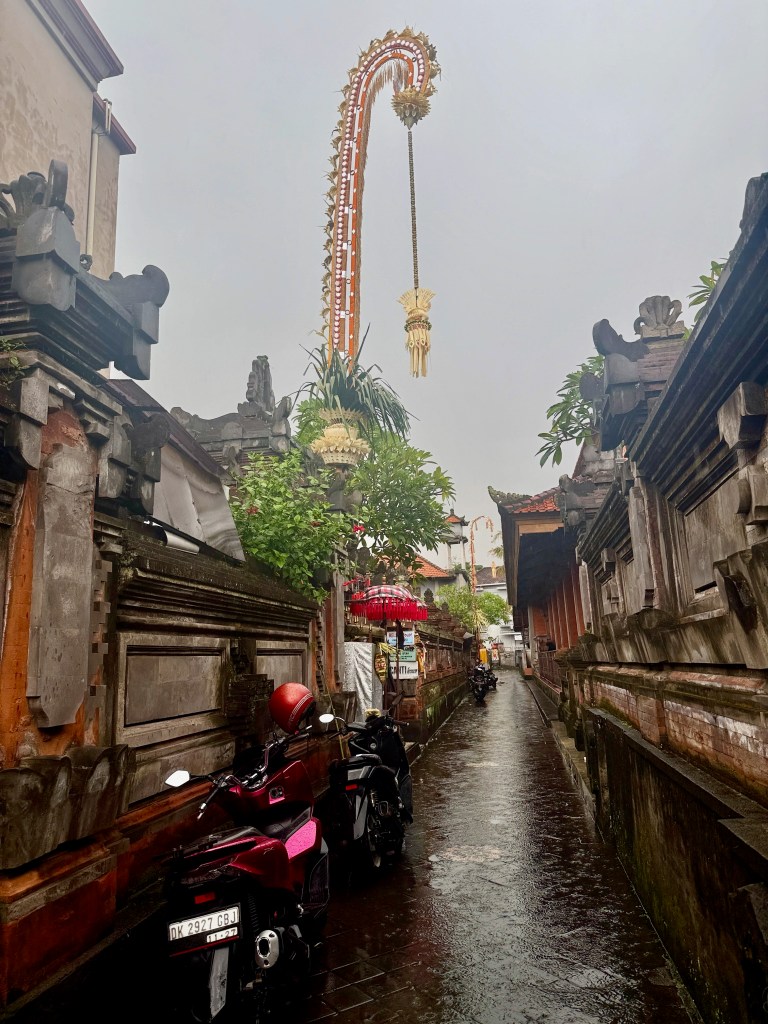
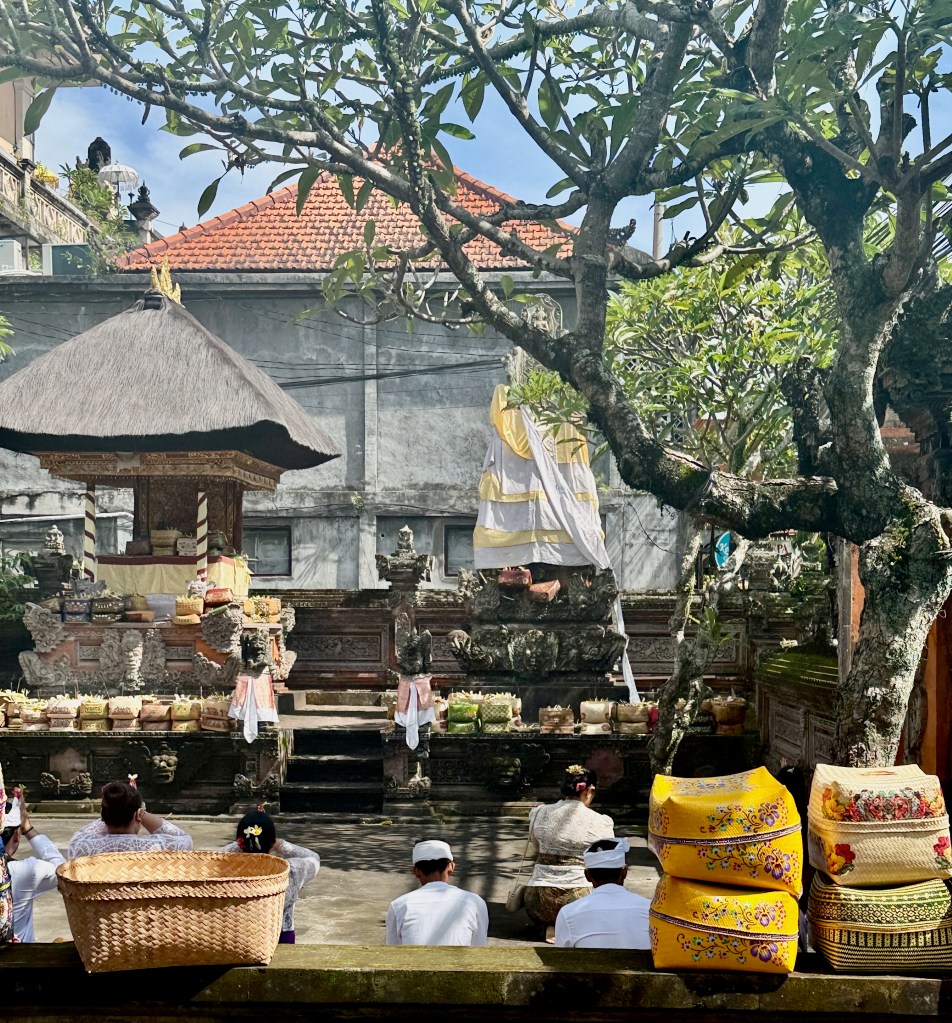
Our Airbnb in Ubud was exactly as we remembered it. The hosts were kind and welcoming, and the guest house itself was a small collection of rooms facing a shared courtyard filled with Hindu shrines and family temples—clearly personal, clearly loved, and quietly woven into daily life.
The location was ideal on paper. Just a few blocks from Ubud’s main intersection, markets, cafés, and temples, yet tucked away down a narrow alley accessible only to scooters and pedestrians. It felt secluded without being isolated, peaceful without being remote.
In 2016, this balance felt magical.
In 2025, it felt… complicated.
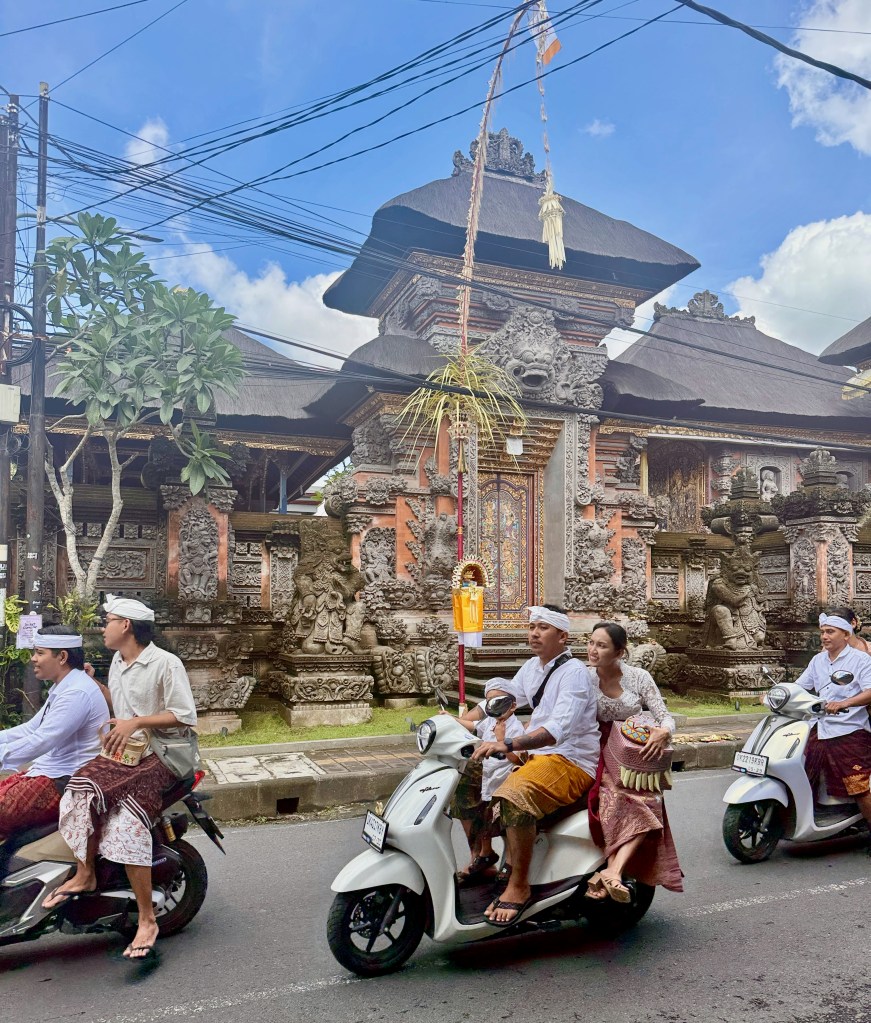
The charm and spirituality of Ubud are still there, but they are no longer dominant. Like many places around the world, COVID reshaped the town both physically and emotionally. Artists adapted. Craftspeople shifted their livelihoods. Properties changed hands. Businesses evolved to survive without tourists—and then were suddenly flooded with them again.
Bali was still Bali. Ubud was still Ubud. But it was no longer the place we had carried in our memories.
That disconnect wasn’t Ubud’s fault—it was ours. We arrived with expectations that no longer matched reality. Once we let go of that, we were able to enjoy what was still very much there.
Where We Stayed—Seminyak (Final Week)
After a couple of weeks in Ubud, we realized we were ready for a change of scenery. Rather than moving to another part of town, we decided to reposition ourselves closer to the airport. Our return flight to the U.S. departed very early in the morning, and anyone who has sat in Bali traffic knows that a “one‑hour drive” from Ubud can become something far more ambitious.
Through a home‑exchange platform we are members of, we found an ideal solution for our final week: a private villa in Seminyak.
Click on Images to Enlarge
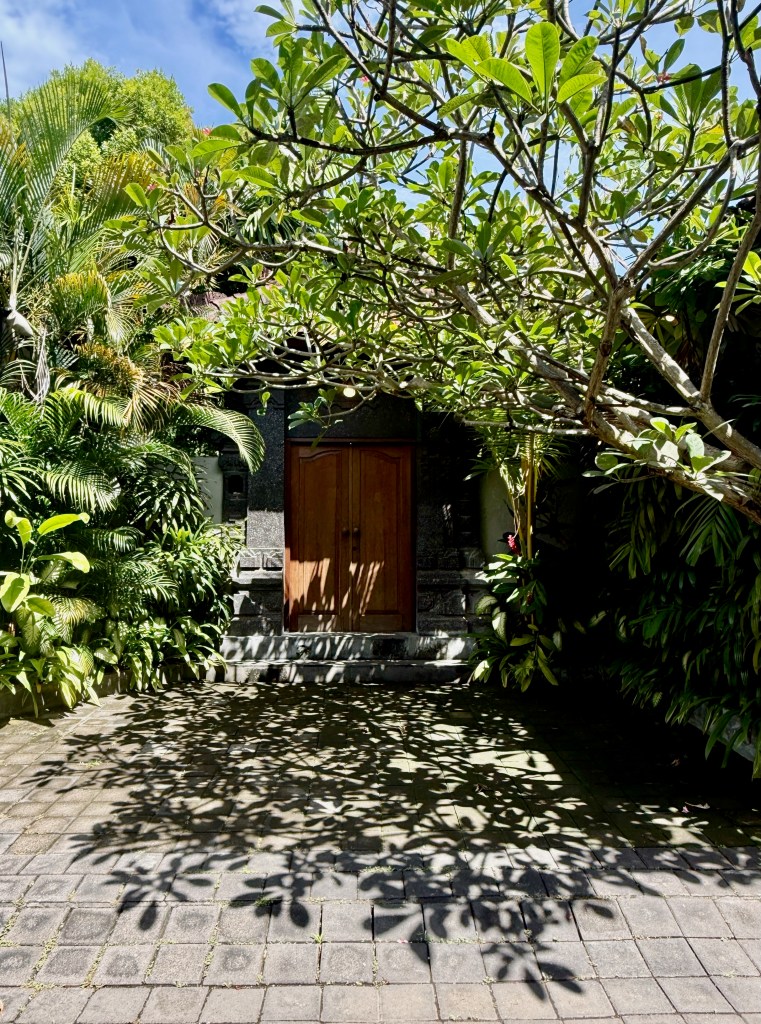
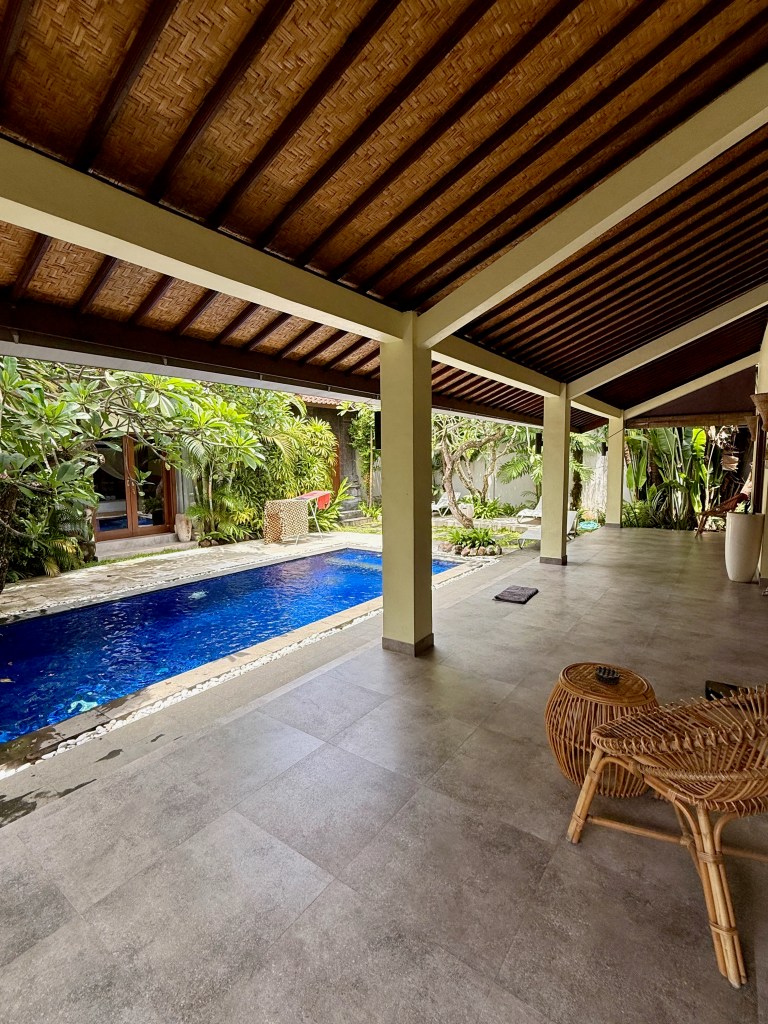

The contrast was immediate and dramatic.
The villa had three private bedroom suites, a full kitchen, and a private swimming pool, all in a quiet neighborhood just steps from Seminyak’s famous Eat Street and a short walk to the ocean. After nearly three months of continuous travel, it felt less like a rental and more like a reward.
Getting Around
Getting around Bali is straightforward in theory and occasionally exhausting in practice.
Walking worked well in parts of Ubud, especially early in the day, but weather and traffic often dictated otherwise. During monsoon season, it rained briefly most days—rarely enough to derail plans, but often enough to make walking less appealing.
When needed, Grab taxis filled the gaps and worked reliably throughout our stay.
Traffic, however, is the constant variable. Distances that appear modest on a map can stretch unpredictably, especially around Ubud and when heading toward the airport. Planning extra time isn’t cautious—it’s necessary.
Food & Cafés—Ubud
Food remained one of the highlights of our time in Bali.
In Ubud, we happily returned to a favorite vegan buffet, Sawobali, discovered an Indian restaurant, Sitara, that ranked among the best Indian meals of our entire trip, and repeatedly visited a tiny local warung near our Airbnb. With only four tables, it served some of the most delicious food we had in Ubud—and if it was full, it was worth waiting.
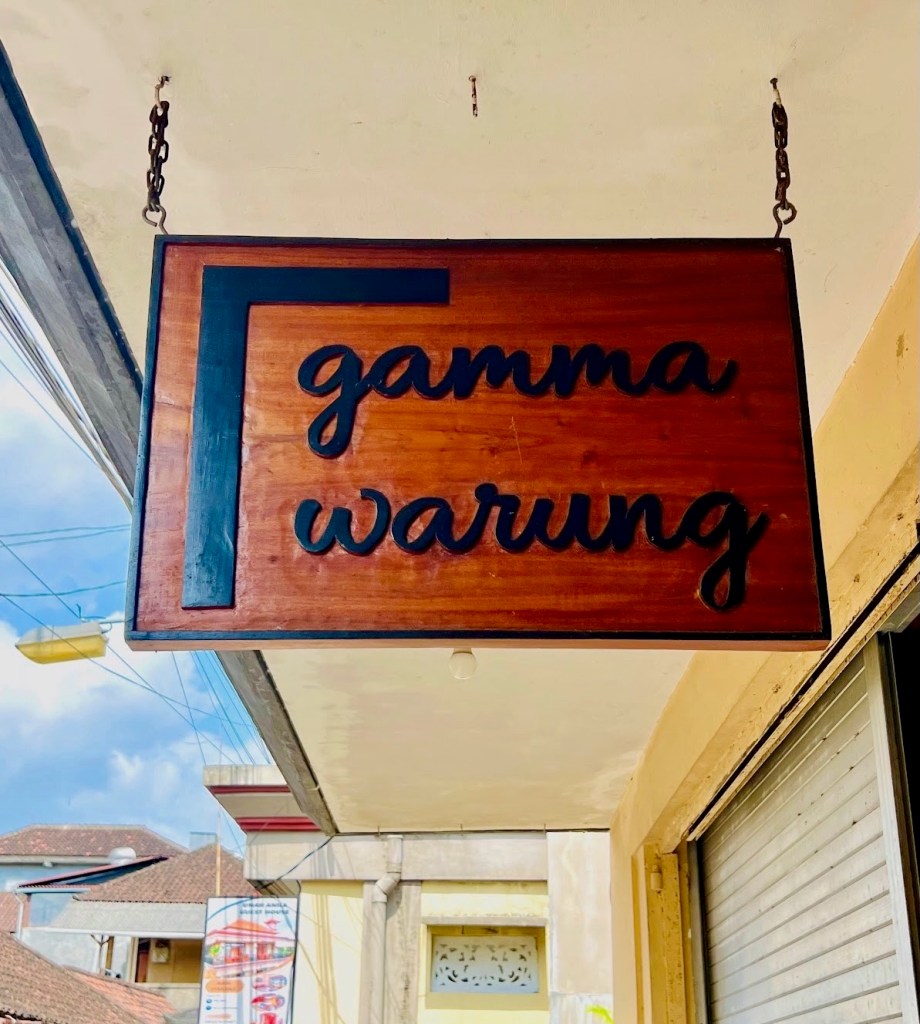
Living close to Coco Supermarket made daily life easy, especially for stocking snacks.

With breakfast included at our Airbnb, we typically ate lunch out and kept evenings simple, which struck a comfortable balance between exploration and ease.
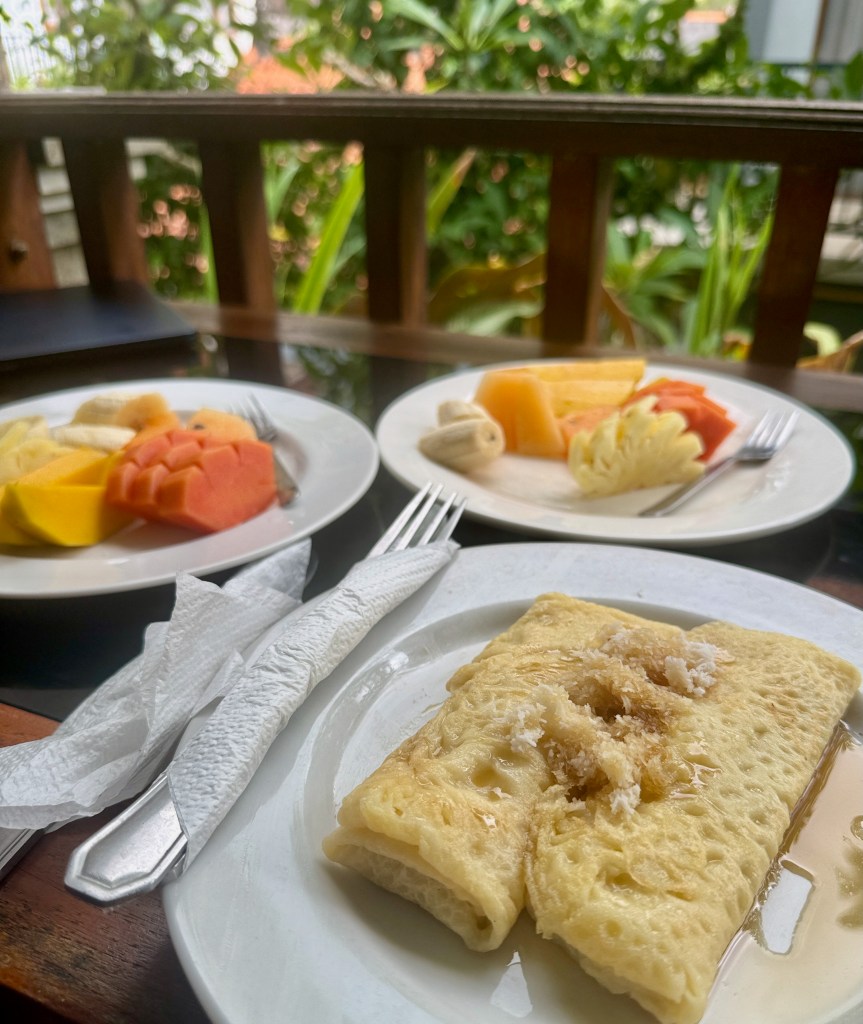
Food & Cafés—Seminyak Click on Images to Enlarge
In Seminyak, dining shifted again. With a full kitchen at the villa, we ate out just once a day and chose more deliberately. Some of the finest meals of our Bali stay happened during that final week.
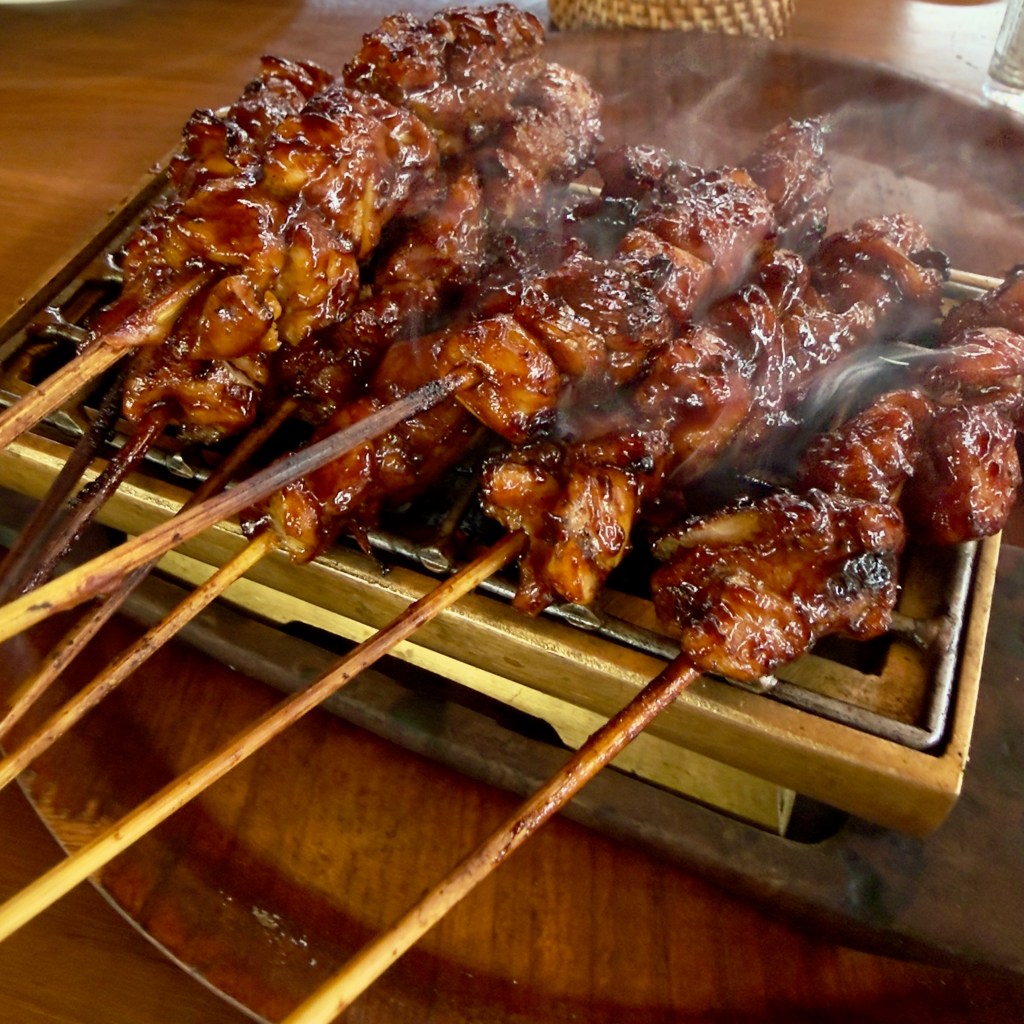
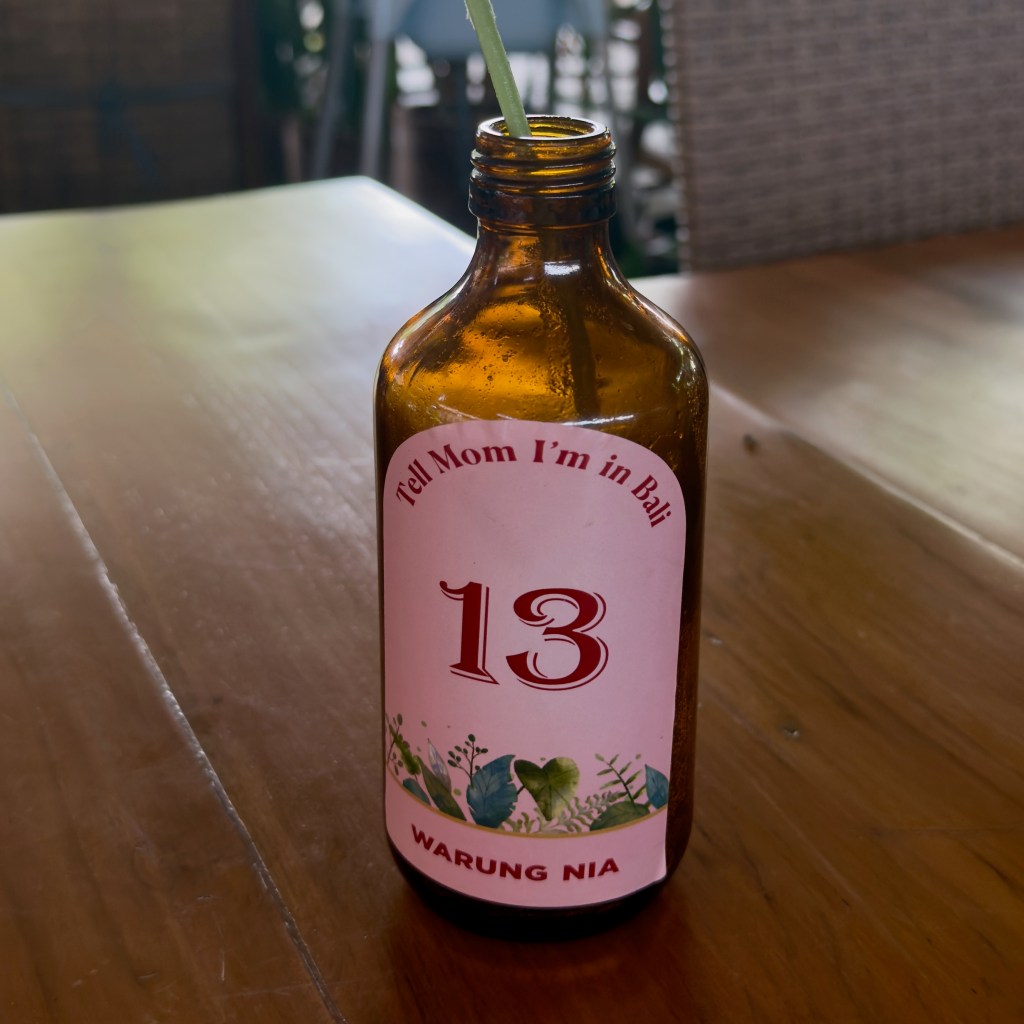
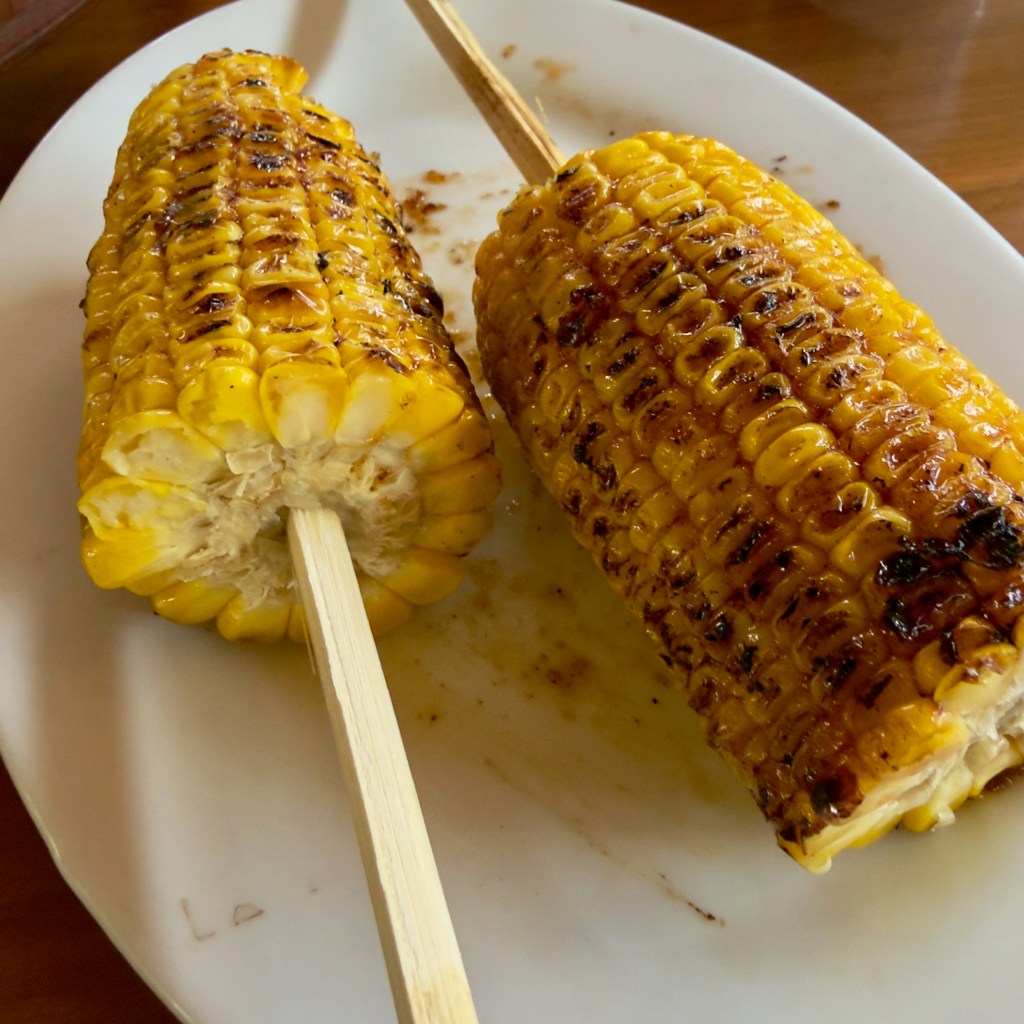
One standout was Warung Nia, where the chicken satay and grilled corn on the cob were among the best we had anywhere on the island.
People & Connections
The people of Bali remain one of its greatest strengths.
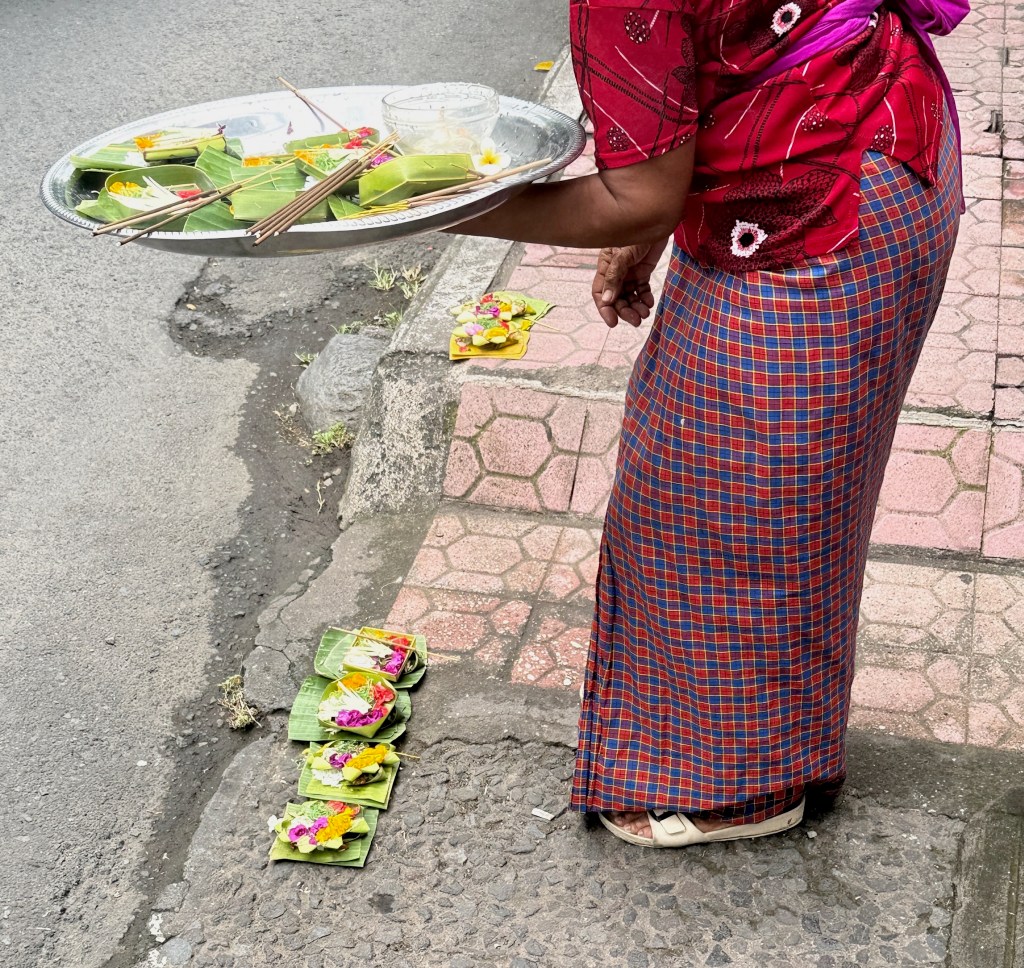
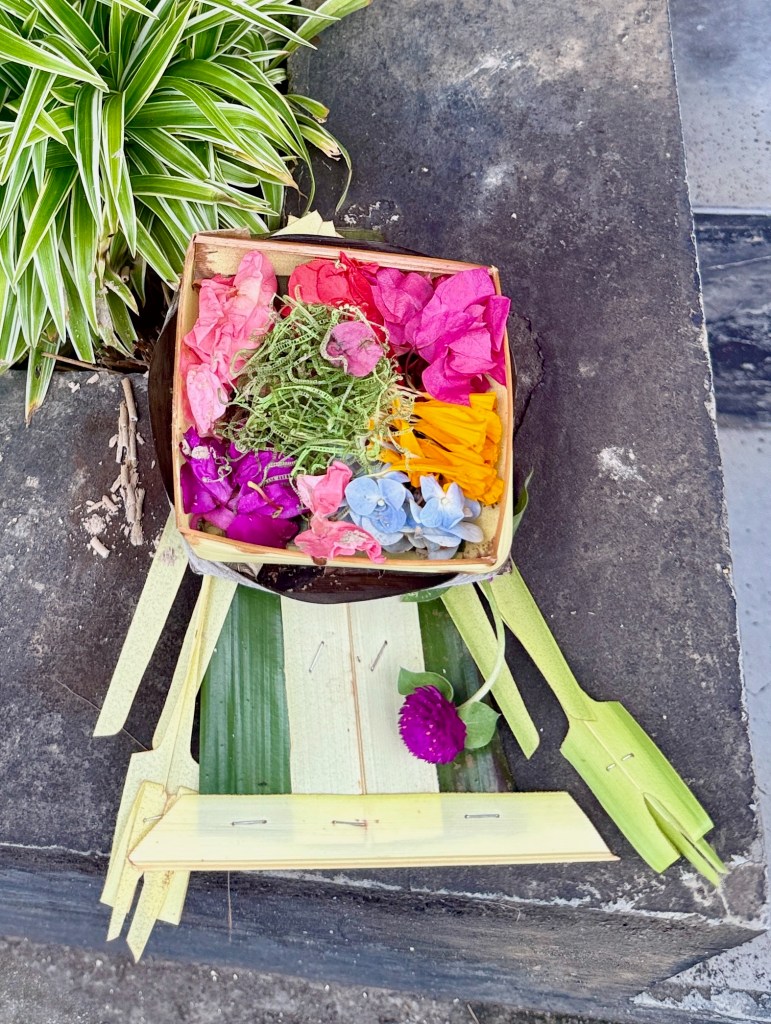
Kindness is not performative here—it’s embedded. Rituals, offerings, and spiritual practices appear everywhere, woven naturally into daily life rather than staged for visitors. It is one of the aspects of Bali that left the deepest impression on us, both in 2016 and now in 2025.
What Worked (and What Didn’t)
Worked:
Returning to a place we once loved, even knowing it might feel different…
Staying long enough to recognize when it was time to change course…
Ending the trip with comfort and calm rather than pushing for more experiences…
Didn’t Work:
Expecting Ubud to feel the same as it did nearly a decade earlier…
Underestimating how cumulative heat and humidity can feel at the end of long travel…
Final Thoughts
Bali gave us two distinct experiences in one month.
Ubud reminded us that places evolve—and that memory can be both a gift and a burden. Seminyak reminded us how restorative space, quiet, and comfort can be when travel fatigue sets in.
Would we return to Bali? Probably not.
But we’re glad we returned this time.
What we’ll remember most isn’t a checklist of sights—it’s the kindness of the people, the daily rituals, and the quiet clarity that comes from knowing when it’s time to rest.
 Curated 4 Travel