
Kuala Lumpur, Malaysia – October 2025
Overall Impressions
We spent six nights in Kuala Lumpur. That number matters, because this visit wasn’t part of a grand itinerary—it evolved.
Originally, we considered spending a full month in Malaysia, with excursions to the colonial city of Penang and the idyllic beaches of Langkawi being on the list. But after running Kuala Lumpur through our usual filters—transportation, housing, livability, visa options, real estate, and medical care—we realized our real goal was simpler: check it out. What does daily life feel like? Could we imagine living here?
In the end, we decided that a short stay in the country’s largest city, combined with past airport stopovers, would give us the information we were looking for—and it did.
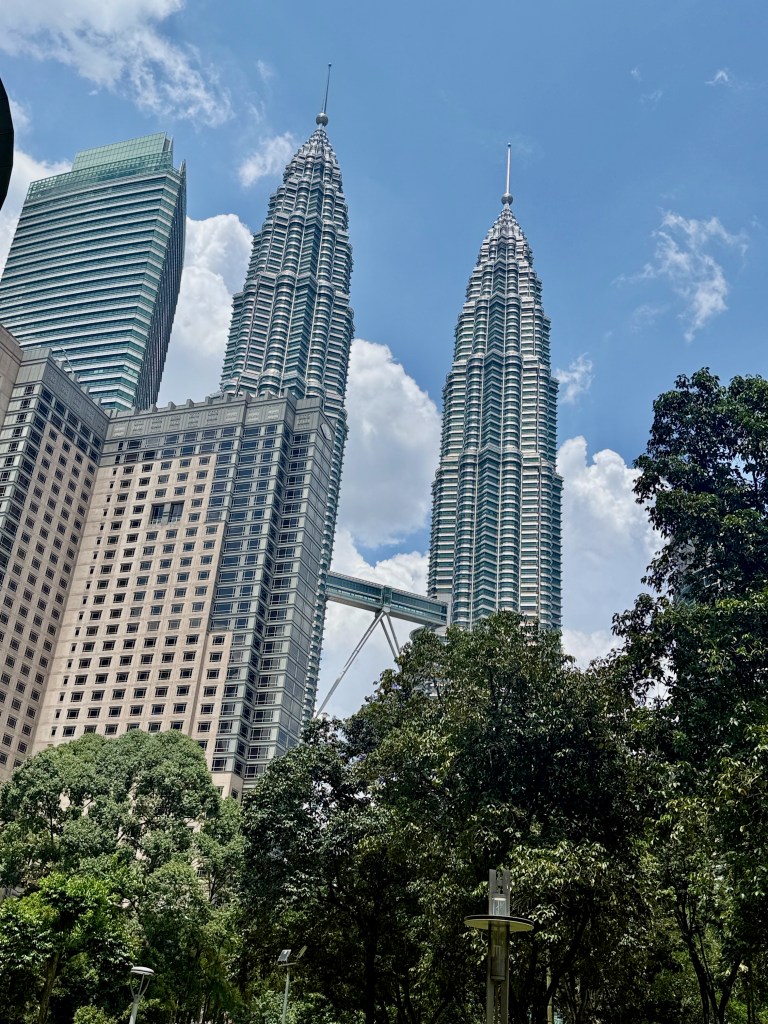
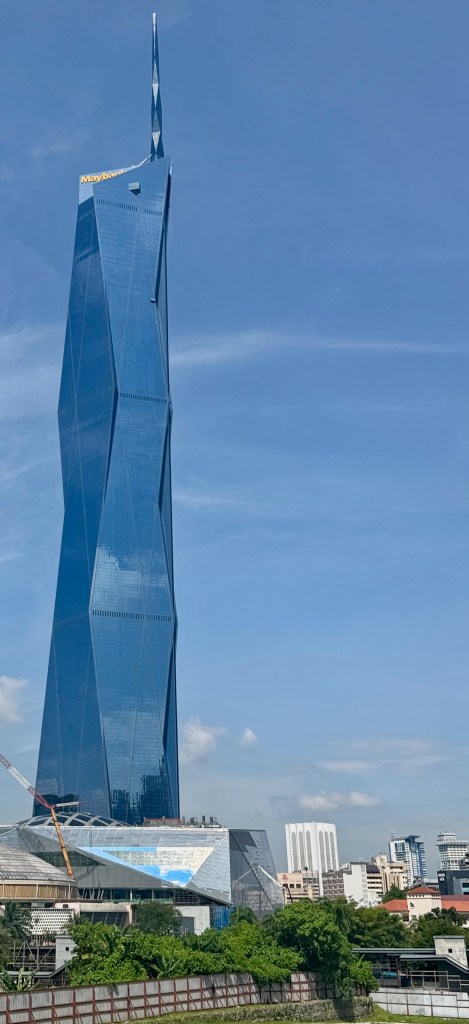
Kuala Lumpur is genuinely impressive. The skyline rivals that of many global cities, capped by Merdeka 118—the tallest building in Southeast Asia. It’s a bold, modern city rising out of a very green part of the world, and it makes no apologies for either.
Where We Stayed
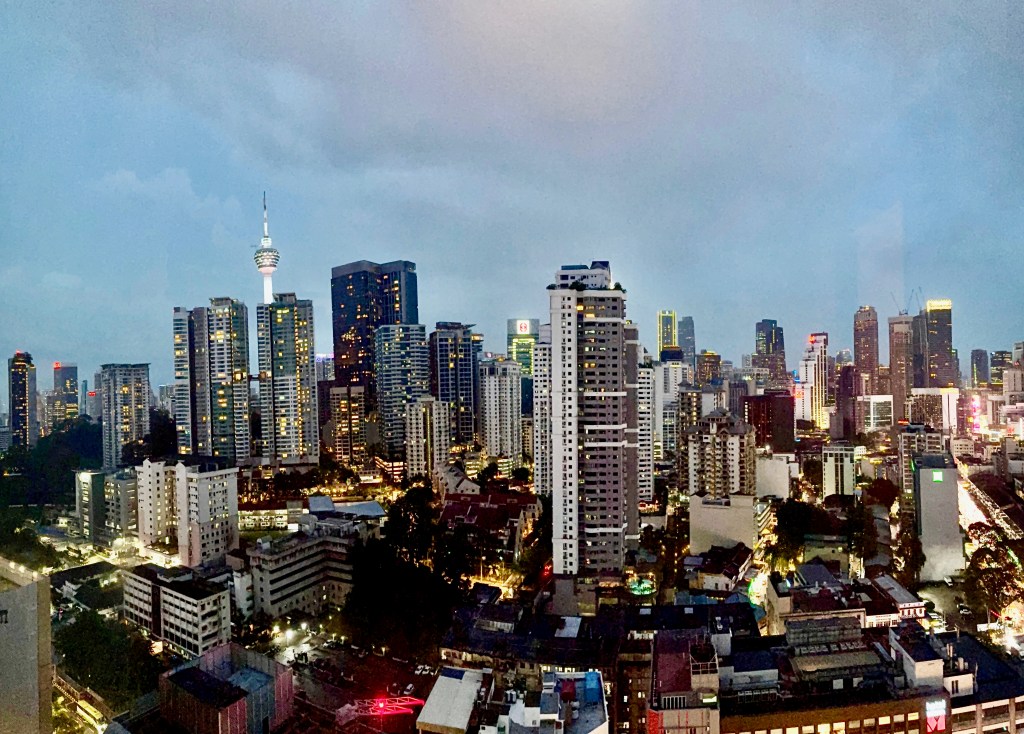
Our apartment was modern, comfortable, and high above the city on the 23rd floor, with massive glass windows offering sweeping views of the Kuala Lumpur skyline. At night, the city glowed.
Location-wise, it was ideal—just steps from major transportation hubs and within walking distance of Jalan Alor, Kuala Lumpur’s most famous food street. From our windows, we could actually see Jalan Alor below, lit up with neon and activity well into the evening.
We thought the apartment was great, and for a short stay, it was exactly what we needed.
Getting Around
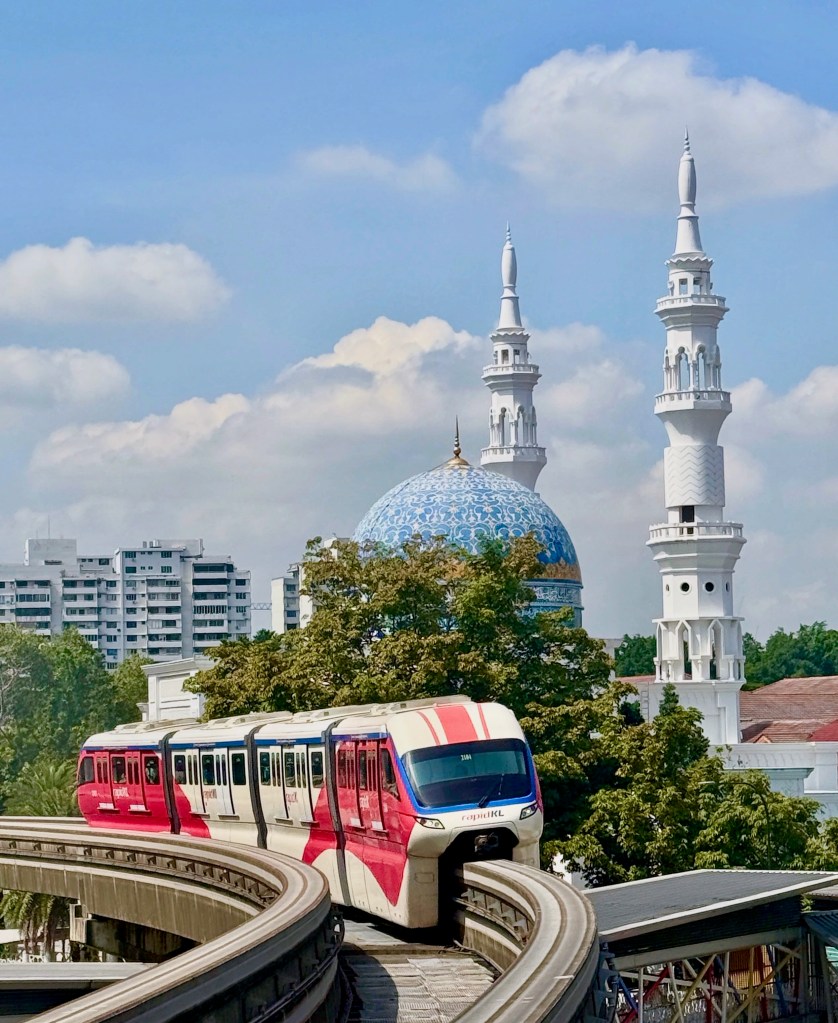
Public transportation in Kuala Lumpur is clean and functional, but the real hero of our visit was GRAB.
With daily temperatures hovering near 100 degrees Fahrenheit, air-conditioned taxis were less a convenience and more a necessity. GRAB was inexpensive—often equal to or cheaper than public transportation—and infinitely more comfortable.
Walking, however, is not Kuala Lumpur’s strong suit. The city is not designed with pedestrians in mind. Crosswalks are inconsistent, pedestrian lights are rare, and sidewalks can be hazardous, uneven pavement, uncovered holes, and architectural features that seem to appear at face level.
At one point, my wife—carefully watching her footing to avoid tripping—walked directly into a concrete post inexplicably crossing the sidewalk at head height. The lesson: in Kuala Lumpur, you must watch the ground and the horizon at all times.
Food & Cafés
Food was one of the reasons we were excited to visit Kuala Lumpur, and it delivered.
Malaysian cuisine reflects the country itself—Malay, Chinese, Indian, and everything in between. Jalan Alor (KL’s most famous food street) offered endless street food options, while cafés and casual restaurants throughout the city provided welcome air-conditioned breaks from the heat.
You don’t have to work hard to eat well here. You just have to show up hungry.
Things We Did (and Didn’t)
Most of Kuala Lumpur’s major attractions revolve around impressive architecture and massive, modern malls that wouldn’t feel out of place in the West.
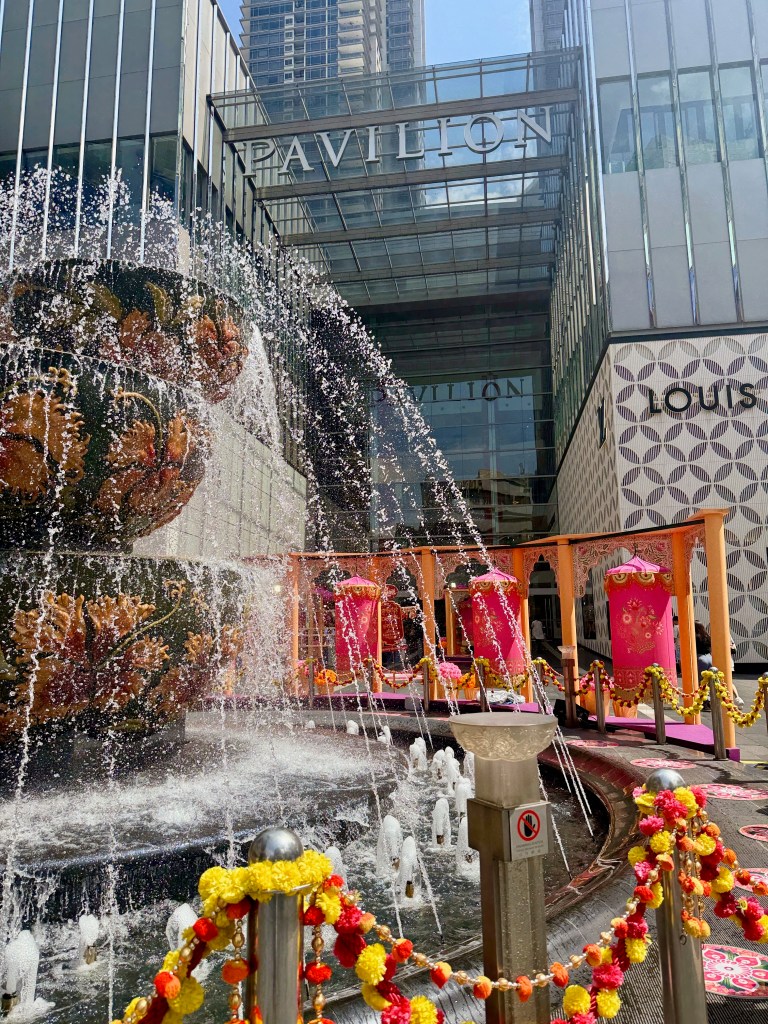
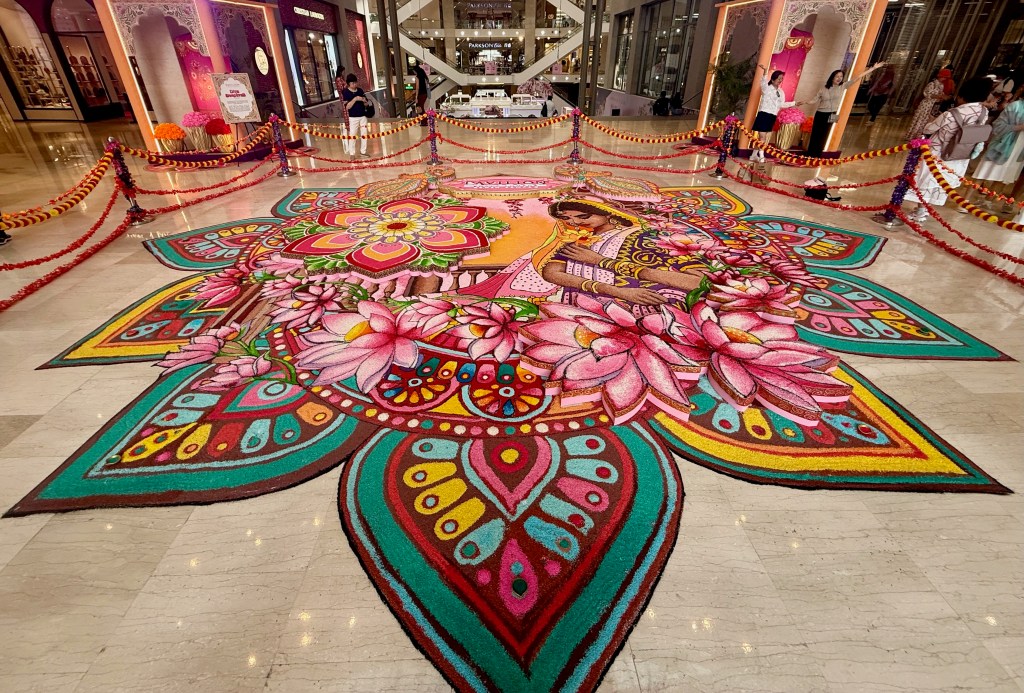
While KL has a multitude of attractions—bird parks, caves, and casinos—none of those appealed to us.
We did, however, visit the National Textile Museum, which we found genuinely interesting given our background in textiles and design.
Otherwise, we spent most of our days exploring the city itself: navigating the skyline, using the metro, sampling food, and getting a feel for how the city actually works.
Practical Notes
Heat: Intense. Plan accordingly.
Airport distance: Nearly an hour from downtown; GRAB is the most practical option.
Language: English widely spoken.
Costs: Extremely reasonable for a large, modern city.
Livability: Efficient, polite, and calm.
Final Thoughts
Six nights in Kuala Lumpur felt like enough.
While we’re unlikely to return, that’s not a criticism. Kuala Lumpur surprised us with how modern, functional, and livable it is—a city that works quietly and efficiently in the middle of a very Malaysian jungle.
It may not demand your affection, but it earns your respect. And sometimes, that’s exactly the right outcome.
 Curated 4 Travel