
Osaka October 2025
Overall Impressions
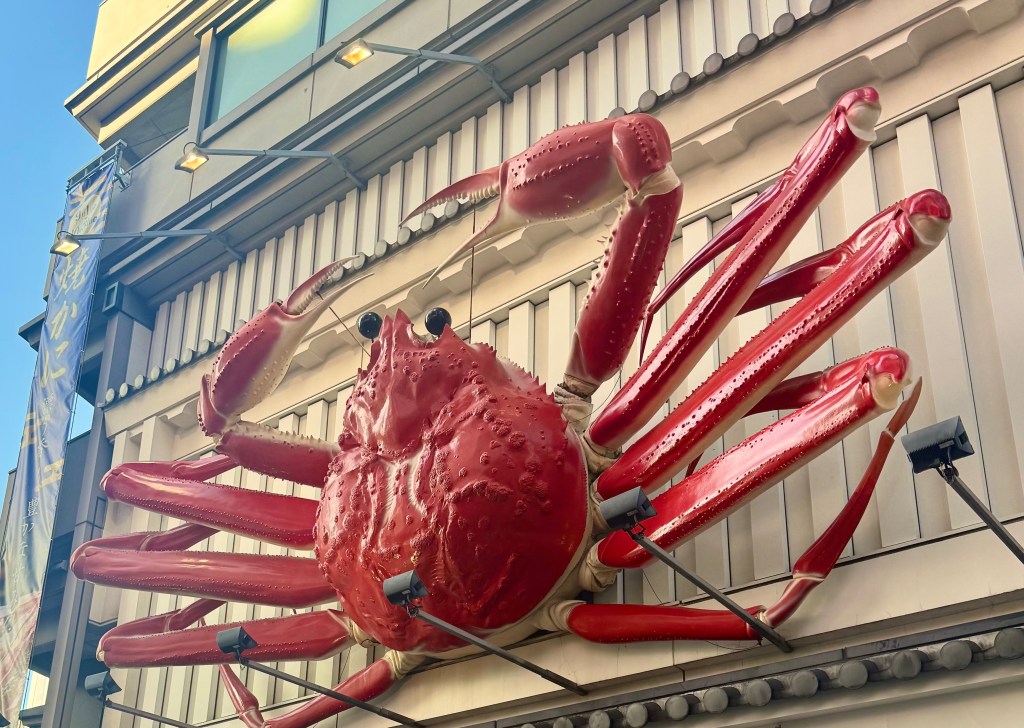
Osaka hits differently than Tokyo—more relaxed, more approachable, and a bit rougher around the edges in a way that feels genuine. The city is easy to move through, and the neighborhoods feel lived-in. You’ve got everyday shops, plenty of simple restaurants, and a steady rhythm that makes it easy to settle in. People are friendly, the pace is calmer, and it doesn’t take long before the place feels familiar. Osaka is lively, but not in a way that overwhelms you—just a comfortable city that’s simple to understand and easy to enjoy.
Getting Around
We took the Shinkansen from Tokyo to Osaka, hoping for a glimpse of Mt. Fuji, but the clouds weren’t cooperating. Still, the ride was smooth and comfortable—exactly what you expect from the Shinkansen.
Once we arrived, we mostly walked everywhere. Our Airbnb was in the Nipponbashi area, often referred to as Den Den Town. Almost everything we wanted to see was close enough to reach on foot. That’s how we prefer to travel anyway—settle into a neighborhood and explore it from the ground level. We only used the train a couple of times: once to visit Osaka Castle and once to get to the airport for our flight to Kuala Lumpur. One small note for anyone walking around Osaka: keep an eye out for cyclists on the sidewalks. They move fast and appear out of nowhere.
Where We Stayed
We stayed in a studio Airbnb in the Nipponbashi area. It had everything we needed—a compact but efficient layout, a great shower room, and even a washing machine, which is a huge win when you’re traveling light. (If you’re curious about how we pack for long trips with only carry-ons, check out our Packing page—we’ve refined it over years of travel.)
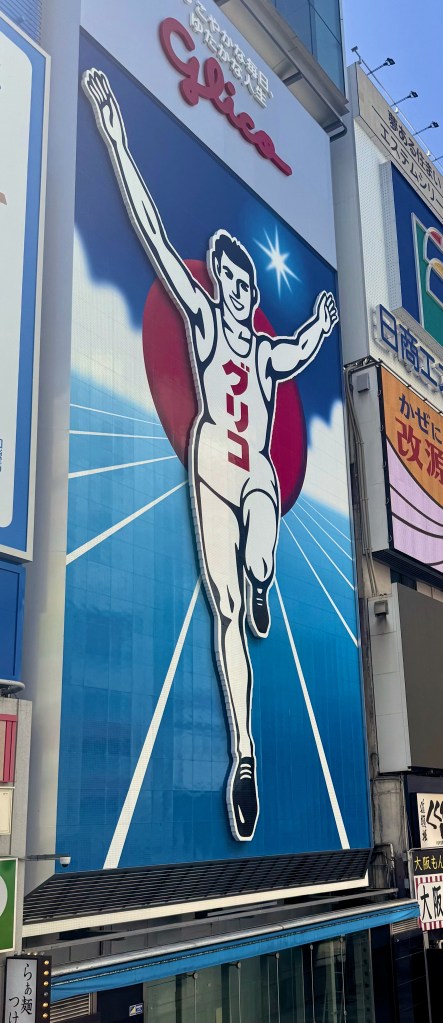
The location was perfect: walking distance to Dotonbori, the nearby food streets, and Kuromon Market. There were several 7-Elevens close by and more restaurants than anyone could ever work through. It was the kind of neighborhood where daily life felt easy, and we never felt the need to go far. When we visit a new place, we always stick to the motto: we can’t see it all—and Nipponbashi made it simple to enjoy what was right around us.
Food
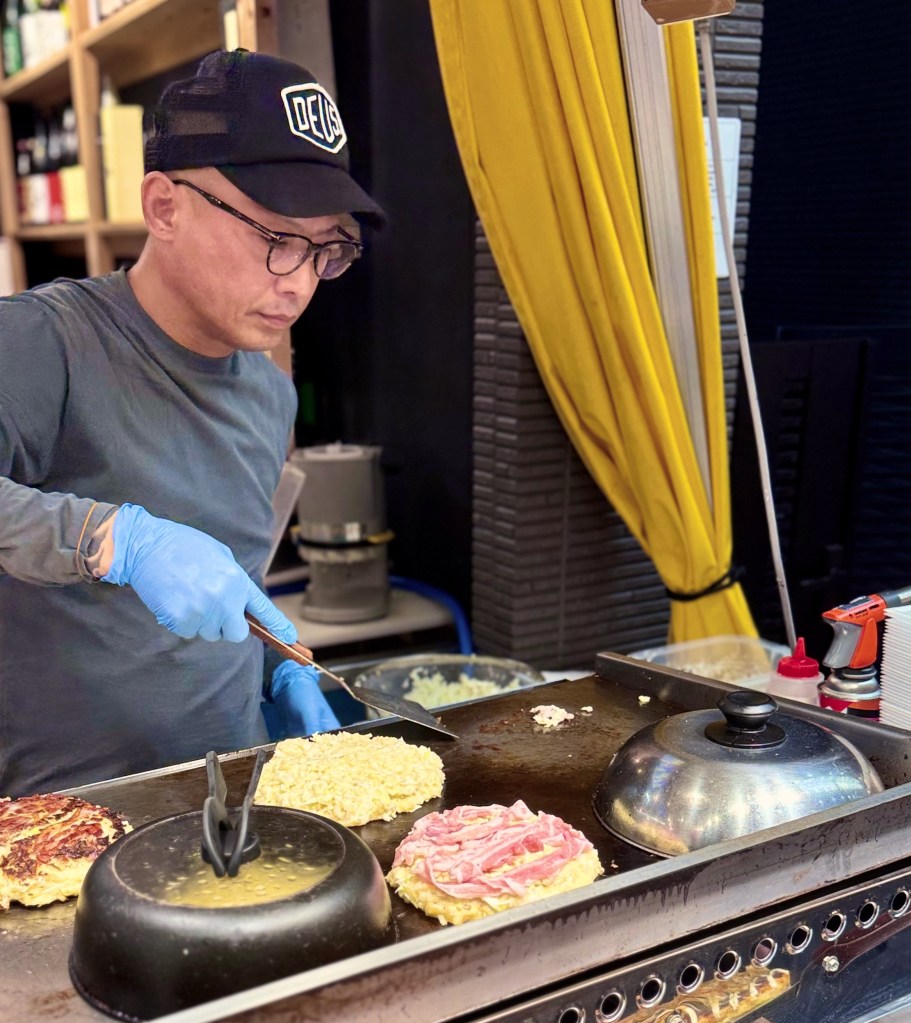
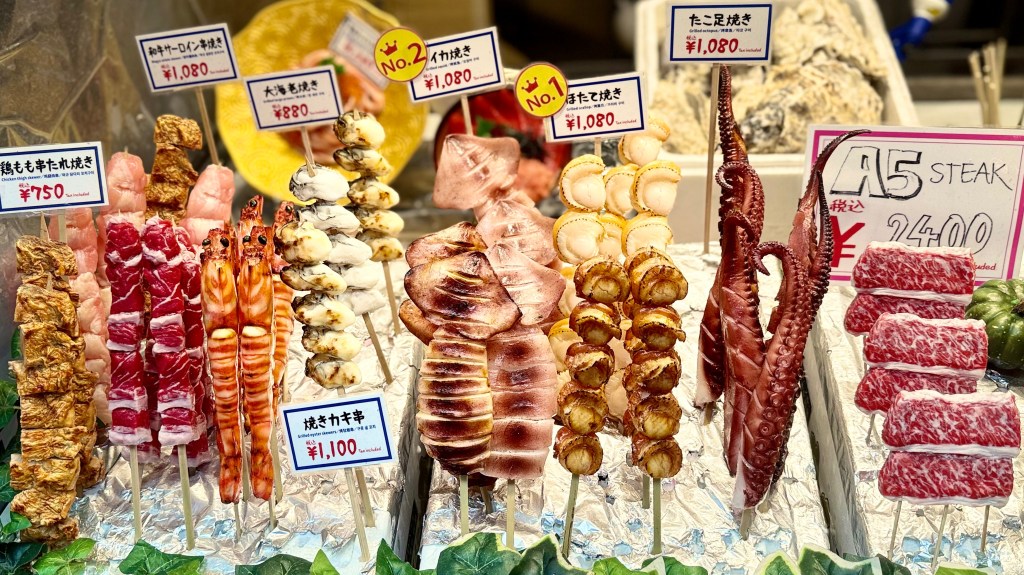
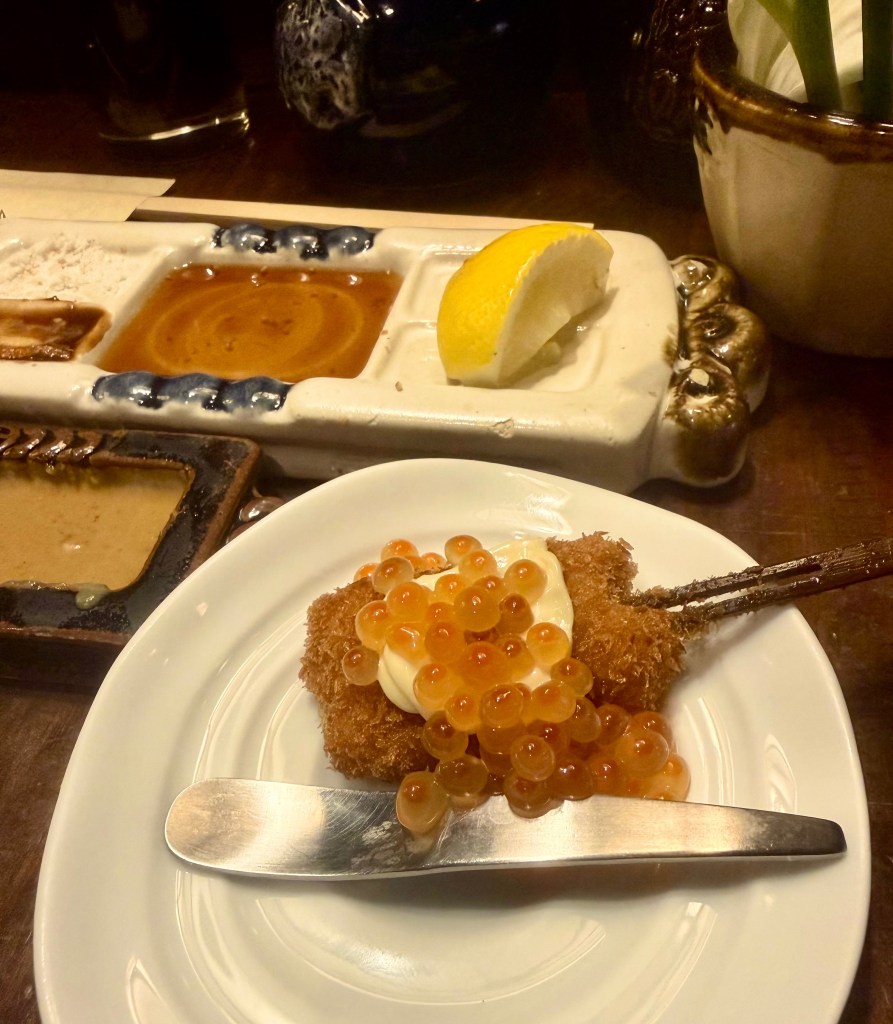
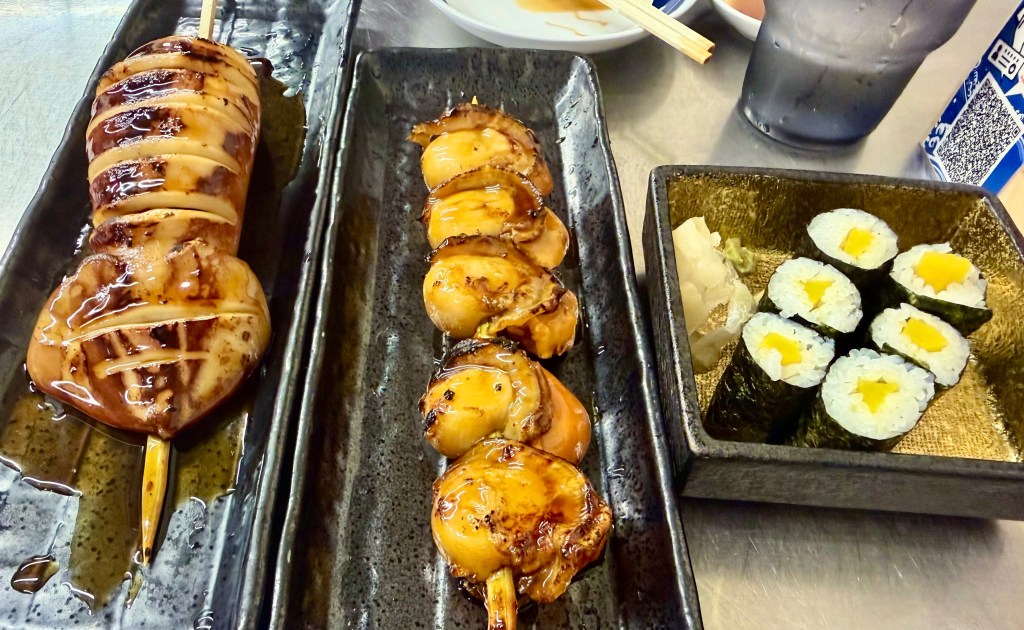
Osaka is built for eating, and we tried a little of everything. We snacked our way through Kuromon Market, grabbed bites from food stalls, and enjoyed an omakase-style meal with friends who live in Osaka. Omakase literally means “I’ll leave it up to you.” You sit at the counter, the chef chooses each dish based on what’s fresh that day, and they come out one by one. In some places, the meal keeps going until you tell them you’ve had enough—the “just say stop” style. It was a fun experience and one of the most memorable meals of the trip. I think we made it through eight courses.

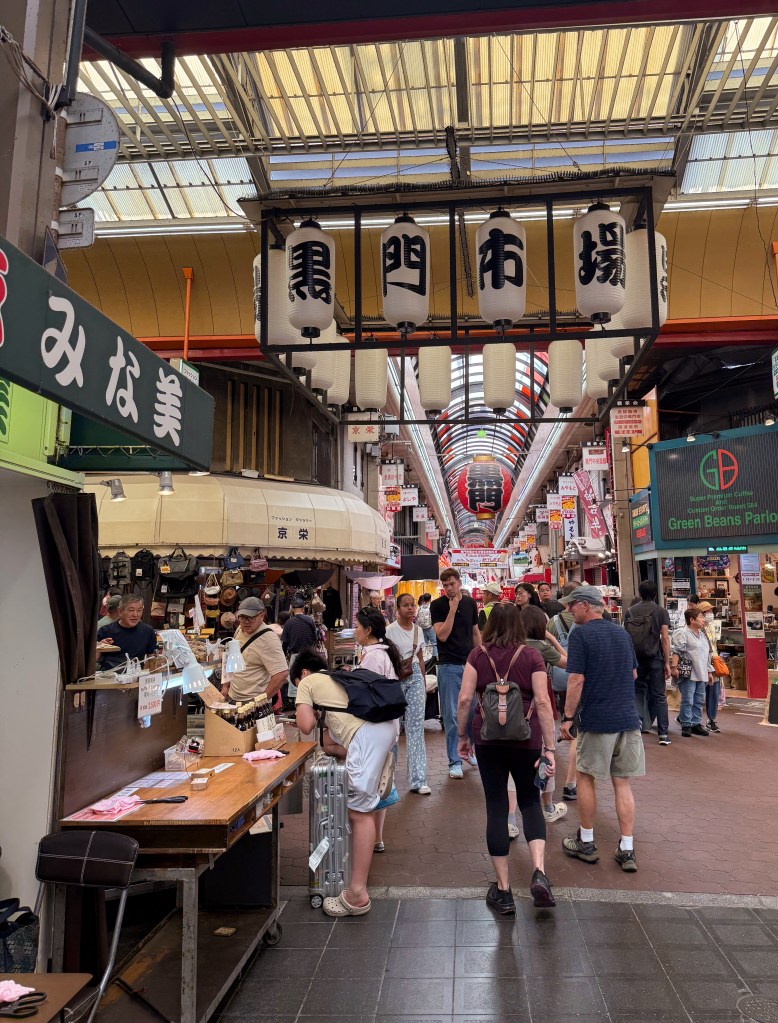
Kuromon Market quickly became another favorite. It’s a lively, sensory-packed street often called “Osaka’s Kitchen,” and for good reason. You can find just about anything there, seafood, grilled snacks, fresh fruit, sweets, and we ended up visiting more than once. It’s the kind of place where you wander, point at something, and eat it right there.
Curated4Travel includes affiliate links, such as Amazon links. If you choose to use these links and make a purchase, I may earn a commission from qualifying purchases at no extra cost to you. Content reflects personal experience and research at the time of writing; details may change, and readers should verify information independently.
 Curated 4 Travel